
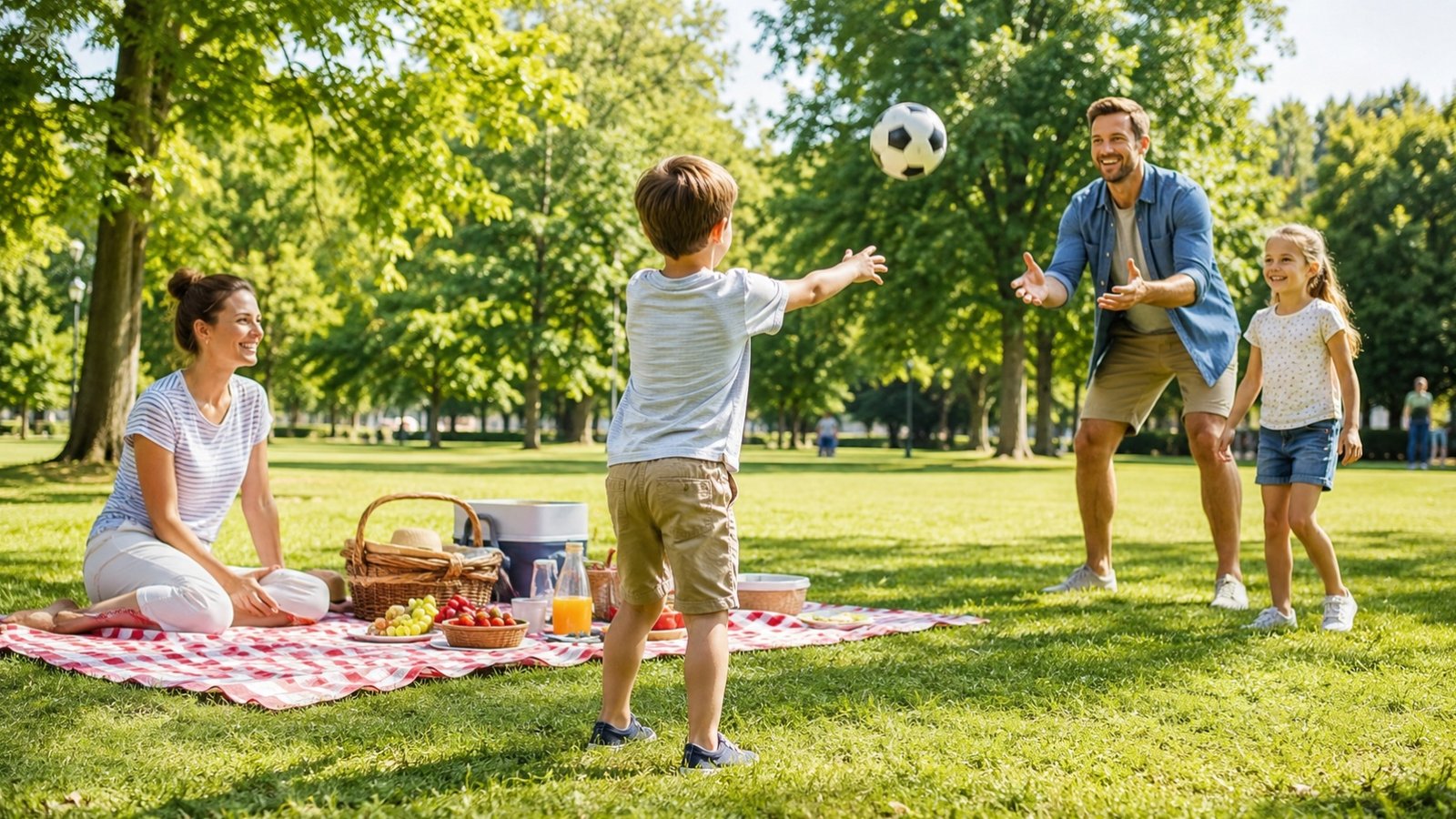
Summer is wonderful, but it can leave the whole house feeling a little upside down. Bedtimes get later, school bags collect crumbs, lunch planning feels rusty, and suddenly everyone needs shoes, socks, schedules, and a calmer morning routine.
That is why I like doing an after-summer reset before the first week of school. It does not need to be complicated. A few small changes can make the transition feel smoother for kids and less stressful for parents.
Below, I’m sharing practical after-summer reset hacks for sleep, school supplies, clothes, lunches, homework spaces, clutter, skincare, hair care, budgets, screen time, and more.
How to Start an After-Summer Reset Before School Begins
I recommend starting with the routines that affect your mornings the most: sleep, clothes, lunches, backpacks, and the family calendar. Once those are under control, it becomes much easier to reset the rest of the house.
You do not need to organize every drawer or buy every school item in one day. A good after-summer reset is really about removing the small daily problems that make school mornings harder.
Start with these five areas first:
- Bedtime and wake-up time
- Backpacks and school supplies
- Clothes and shoes
- Lunch planning
- Morning drop zone or entryway station
Once those are done, you can move on to pantry snacks, homework spaces, the car, summer toys, skincare, and budget planning.
1. Fix Messy Sleep Routines Before the First School Morning
Late summer nights can make school mornings feel brutal. I recommend moving bedtime earlier slowly instead of trying to force a big change overnight.
A simple method is to move bedtime earlier by 15 minutes each night until your child is closer to a school-friendly schedule. The CDC notes that school-age children ages 6 to 12 generally need 9 to 12 hours of sleep, while teens ages 13 to 17 generally need 8 to 10 hours.
A kid’s alarm clock can help reset wake-up routines and make mornings smoother. I like options with gentle lights, simple buttons, and a visual time display for younger kids.
My practical tip
Start with wake-up time first. Once kids begin waking earlier, bedtime usually becomes easier to shift.
What to look for
When choosing a kid’s alarm clock, look for a soft wake light, adjustable volume, simple controls, and a display your child can understand.
2. Clean Out School Bags Before Restocking Supplies
Before buying new supplies, empty every backpack completely. Check side pockets, pencil cases, lunch compartments, folders, and hidden zipped areas.
You may find usable pencils, unopened glue sticks, folders, erasers, or scissors from last year. This keeps you from buying duplicates and helps you see what actually needs replacing.
A durable ergonomic backpack is a great upgrade if your current one is worn out. The Pediatric Orthopaedic Society of North America (POSNA) recommends choosing backpacks with ergonomic features and keeping the weight around 5% to 10% of a child’s body weight.
My practical tip
After cleaning the backpack, restock only the basics your child needs for the first week. Teachers often send specific supply requests once school starts.
What to look for
Choose a backpack with padded straps, a padded back, multiple compartments, and a size that fits your child’s body without hanging too low.
3. Do a Quick Wardrobe Check Before Buying New School Clothes
Kids can outgrow clothes quickly over the summer. Before shopping, sort clothes into keep, donate, and replace piles.
Check:
- Shirts
- Pants
- Leggings
- Shorts
- Sneakers
- Socks
- Jackets
- Sports clothes
A hanging closet organizer makes it easier to plan outfits and keep everything visible. This is especially helpful if your child wears uniforms or needs certain outfits for gym days.
My practical tip
Start with one week of outfits, then adjust later. You do not need a full new wardrobe before the first day of school.
What to look for
For closet organizers, I look for strong shelves, easy-to-clean fabric, labels, and enough compartments for Monday through Friday outfits.
4. Make Lunch Planning Less Stressful With a Weekly List
Lunch planning feels easier when you are not making decisions every morning. I recommend creating a simple weekly lunch list with five easy meals your child will actually eat.
A basic lunch formula is:
- Main item
- Fruit or veggie
- Crunchy snack
- Protein or dairy item
- Water bottle
The USDA’s MyPlate school lunch guidance highlights variety across food groups and encourages helping children make healthy food and beverage choices at school.
A bento lunch box helps portion meals and keeps everything organized. It can also make lunch packing faster because each section has a clear purpose.
Easy lunch ideas
Try turkey roll-ups, pasta salad, hummus with pita, yogurt with fruit, mini sandwiches, cheese and crackers, or leftovers in an insulated food jar.
What to look for
When choosing a bento lunch box, look for leak-resistant compartments, easy-clean materials, a size that fits inside the lunch bag, and a design your child can open independently.
5. Create a Morning Station to Calm the Chaos
A morning station is one central spot for daily school essentials. It can be in the entryway, hallway, mudroom, bedroom, or laundry room.
Add:
- Backpack
- Shoes
- Jacket
- Lunch bag
- Water bottle
- School forms
- Hair accessories
- Weather gear
Install entryway wall hooks to keep backpacks and jackets in one place. Hooks are simple, affordable, and easy for kids to use.
My practical tip
Keep everything at kid height. A system only works if children can actually reach it and use it without help.
What to look for
For entryway hooks, choose sturdy hardware, rounded edges, and enough hooks for backpacks, jackets, lunch bags, and sports gear.
6. Rebuild Homework Habits With a Simple Homework Corner
After summer, homework routines can feel hard to restart. A homework corner helps kids ease back into focused time without making the setup too formal or overwhelming.
The space can be a desk, kitchen table, side table, or small corner in a quiet room.
Include:
- Pencils
- Erasers
- Paper
- Crayons or markers
- Timer
- Desk lamp
- Small trash bin
A desk lamp with adjustable brightness helps kids stay focused and gives them a clear work area.
My practical tip
Keep the space simple and uncluttered. Too many decorations, toys, or gadgets can become distractions.
What to look for
For a desk lamp, I look for adjustable brightness, a flexible neck, a stable base, and a soft light setting for evening homework.
7. Do a Post-Summer Reset Room by Room
The house can feel cluttered after summer because everyone is home more, using more items, and dropping things in random places.
Instead of trying to clean the whole house at once, tackle one room at a time.
Start with:
- Entryway
- Kitchen
- Kids bedrooms
- Bathroom
- Car
- Pantry
- Homework area
Use a multi-purpose storage basket to collect items that belong elsewhere.
My practical tip
Use a “return basket” method. As you clean, place anything that belongs in another room into the basket, then return everything in one trip.
What to look for
Choose baskets with handles, sturdy sides, and a size that is easy to carry from room to room.
8. Sort Summer Toys, Beach Items, and Sports Gear Into Bins
Summer toys can take over the garage, porch, backyard, and car. Sort everything into simple categories before school starts.
Try bins for:
- Beach toys
- Pool toys
- Sports gear
- Sidewalk chalk
- Bubbles
- Outdoor shoes
- Camping items
- Travel items
A large outdoor storage box keeps everything contained and weather-safe.
My practical tip
Always dry items before storing them. Wet towels, water shoes, pool toys, and beach gear can smell musty if they are packed away too soon.
What to look for
For outdoor storage, look for a weather-resistant design, a secure lid, easy-open hinges, and enough space for bulky toys or sports gear.
9. Switch to a Gentle After-Summer Skincare Routine
Sun, sweat, chlorine, saltwater, and travel can leave skin feeling dry or stressed. For after-summer skincare, I recommend keeping the routine simple and soothing.
A basic routine may include:
- Gentle cleanser
- Lightweight moisturizer
- Body lotion
- Sunscreen
- Aloe gel for occasional sun-stressed skin
The American Academy of Dermatology recommends cool baths or showers and moisturizer with aloe vera or soy to help soothe sunburned skin.
A lightweight daily moisturizer with SPF can help protect and hydrate skin during the transition back into regular routines.
Safety note
Consult a healthcare professional for severe sunburn, blistering, fever, swelling, or skin issues that do not improve.
What to look for
For family skincare, I look for gentle formulas, fragrance-free options when needed, broad-spectrum sunscreen, and products that suit the user’s skin type.
10. Repair Sun and Swim-Stressed Hair
Hair can feel dry after weeks of sun, pool water, beach days, and frequent washing. A simple weekly reset can help make hair easier to manage.
Try:
- Deep conditioner once a week
- Leave-in conditioner
- Wide-tooth comb
- Detangling brush
- Gentle shampoo
- Microfiber towel
A deep conditioning hair mask can help with dryness and tangles.
My practical tip
Trim split ends before school starts if hair is tangling more than usual. A small trim can make daily brushing much easier.
What to look for
Choose a hair mask or leave-in conditioner based on hair type. Curly, fine, thick, color-treated, and kids’ hair may all need different formulas.
11. Use a Family Calendar to Bring Schedules Back Under Control
Back-to-school schedules can fill up quickly. Between school events, sports, appointments, work schedules, meal plans, and homework deadlines, it helps to have one main calendar.
Add:
- School start dates
- Meet-the-teacher nights
- Sports practices
- Work shifts
- Meal plans
- Library days
- Homework deadlines
- Family appointments
A magnetic fridge calendar keeps schedules visible for everyone.
My practical tip
Stick to one main calendar system. Too many separate systems can make the schedule feel more confusing.
What to look for
For a family calendar, look for enough writing space, easy-to-read sections, magnetic backing if you use the fridge, and room for meal planning or reminders.
12. Prep Grab-and-Go Breakfasts Ahead of Time
Rushed breakfasts can make school mornings harder. I recommend prepping a few easy options that kids can grab quickly.
The USDA has school nutrition education resources that use MyPlate to help students understand balanced food choices, including breakfast-focused materials.
Good make-ahead breakfast ideas include:
- Overnight oats
- Egg muffins
- Yogurt parfait cups
- Smoothie packs
- Breakfast burritos
- Banana muffins
- Whole grain waffles
A high-speed smoothie blender makes quick breakfasts easier, especially if you prep freezer smoothie packs ahead of time.
My practical tip
Limit choices to save time. Two or three breakfast options are usually enough for busy school mornings.
What to look for
For a blender, look for easy cleaning, strong blending power, cup attachments if you need them, and a size that fits your kitchen storage.
13. Ease Kids Back Into Learning With Short Sessions
If kids resist learning after summer, start small. Short reading or workbook sessions feel less overwhelming than jumping into a long study routine.
Try:
- 10 minutes of reading
- One workbook page
- Flashcard review
- Learning game
- Math facts practice
- Short journaling prompt
A kid’s learning workbook helps ease back into study routines without requiring a full lesson plan.
My practical tip
Consistency matters more than duration. Ten calm minutes each day can be more helpful than one long session that feels stressful.
What to look for
Choose workbooks by grade level, subject, and your child’s confidence level. A workbook that is too hard can create frustration before school even starts.
14. Create a School Outfit Station for the Week
Lost shoes, missing uniforms, and last-minute outfit decisions can slow down the whole morning. A weekly outfit station helps children know what to wear each day.
Use five spots labeled:
- Monday
- Tuesday
- Wednesday
- Thursday
- Friday
Add clothing, socks, shoes, hair accessories, and any uniform pieces.
A weekly hanging outfit organizer simplifies mornings because everything is already grouped together.
My practical tip
Check school dress codes first. This helps avoid buying clothes or shoes your child cannot wear to school.
What to look for
For an outfit organizer, choose sturdy compartments, easy labels, and enough space for clothing plus small accessories.
15. Reset Spending After a Long Summer
Summer spending can sneak up through travel, snacks, entertainment, subscriptions, takeout, and back-to-school shopping. Before the school year starts, review your budget.
Look at:
- Subscriptions
- School fees
- Clothing needs
- Sports fees
- Lunch costs
- Transportation
- After-school care
- Grocery habits
A budget planner notebook helps track expenses and separate needs from wants.
My practical tip
Separate “buy now” and “buy later” lists. Not every school-year item has to be purchased before the first day.
What to look for
Choose a budget planner with monthly pages, expense trackers, savings sections, and enough space for school-related costs.
16. Create Screen-Free Blocks Before School Starts
Screen time often increases during summer, so it helps to add screen-free blocks before school begins. The American Academy of Pediatrics offers a Family Media Plan, and its guidance includes ideas like screen-free zones during dinner, homework, and before bed.
Start with screen-free time during:
- Breakfast
- The hour before bed
- Homework time
- Family dinner
- Morning routine
A family board game set is a great replacement activity because it gives kids something to do instead of simply taking screens away.
My practical tip
Replace screen time instead of removing it suddenly. Kids usually adjust better when another activity is ready.
What to look for
Choose board games based on age, number of players, setup time, and how much adult help is needed.
17. Bring Energy Back With Walks, Water, and Earlier Meals
The end of summer can leave everyone feeling tired. A few simple routine changes can help the household feel more grounded.
Try:
- Light evening walks
- Earlier dinners
- Water bottles filled in the morning
- Simple after-school snacks
- Earlier bedtime routines
- Outdoor play after school
A reusable insulated water bottle encourages hydration and makes it easier for kids to bring water to school or activities.
Safety note
Consult a qualified professional for ongoing fatigue, dizziness, appetite changes, or health concerns that do not improve.
What to look for
For kids’ water bottles, look for leak resistance, easy cleaning, a comfortable grip, and a size your child can carry.
18. Clean Out the Car After Summer Trips
By the end of summer, the car may be full of sand, crumbs, wrappers, sunscreen, toys, extra clothes, and road trip leftovers.
Focus on:
- Car seats
- Seat pockets
- Trunk
- Cup holders
- Floor mats
- Glove box
- Sports gear
- Emergency supplies
A compact car vacuum cleaner makes cleaning quicker and easier.
My practical tip
Keep a small emergency kit in the car with tissues, wipes, hair ties, bandages, a spare water bottle, and an extra snack.
What to look for
For a car vacuum, look for strong suction, a crevice tool, easy emptying, and a cord or battery style that fits how you clean.
19. Reset the Pantry for Lunchbox and After-School Snacks
A random summer snack pantry can make school lunch packing harder. I recommend sorting snacks into lunchbox, after-school, and treat categories.
Easy pantry categories include:
- Crackers
- Granola bars
- Dried fruit
- Applesauce pouches
- Pretzels
- Trail mix
- Shelf-stable lunch add-ons
Clear pantry storage bins make everything easy to find and help kids pack snacks more independently.
My practical tip
Create a dedicated snack zone so kids can help pack lunches without digging through the whole pantry.
What to look for
Choose pantry bins that are clear, stackable, easy to label, and deep enough for snack packs or reusable containers.
20. Make a First Week Survival Basket
The first week of school usually brings forms, tired kids, missing supplies, schedule changes, and unexpected messes. A “first week survival basket” keeps basics in one easy place.
Add:
- Labels
- Tissues
- Wipes
- Extra pencils
- Pens
- Sticky notes
- Hair ties
- Bandages
- Lunch supplies
- Spare socks
- Hand sanitizer
- School forms folder
A multi-compartment storage basket keeps essentials in one place.
My practical tip
Keep it near your morning station or family calendar. It should be easy to grab during busy school mornings.
What to look for
Choose a basket with handles, divided sections, and enough room for school paperwork, small supplies, and quick-cleanup items.
Common After-Summer Reset Mistakes to Avoid
Trying to do everything in one day
A full reset can feel overwhelming if you try to handle sleep, shopping, cleaning, meals, and schedules all at once. Choose the top three pain points first.
Buying before checking what you already own
Before shopping, check closets, drawers, backpacks, lunch supplies, and pantry bins. You may already have more than you think.
Creating overly complicated systems
Simple systems are easier to maintain. Hooks, bins, baskets, and labels often work better than picture-perfect setups that take too much effort.
Ignoring sleep routines
Sleep routines take time to shift. Start bedtime and wake-up adjustments before the first school morning.
Overpacking backpacks
A heavy backpack can be uncomfortable. The National Safety Council recommends using both straps and avoiding overstuffed backpacks.
FAQ: After-Summer Reset for Back to School
When should I start an after-summer reset?
I recommend starting one to two weeks before school begins if possible. This gives you time to adjust sleep, clean out supplies, plan lunches, and reset routines without rushing.
What should I fix first?
Start with sleep routines. A calmer bedtime and wake-up routine can make mornings, homework, and mood easier to manage.
How can I make school mornings easier?
Prepare everything the night before. Set up clothes, shoes, backpacks, lunch boxes, water bottles, and school forms in one easy-to-reach area.
How do I reduce screen time before school starts?
Start with small screen-free blocks, such as during breakfast, homework, dinner, or the hour before bed. A replacement activity, like reading, crafts, puzzles, or board games, usually works better than simply removing screens.
What should I buy before school starts?
Start with true essentials, such as a backpack, lunch box, school supplies, shoes, socks, and a few school outfits. Then wait for teacher-specific requests before buying extras.
How do I make lunch packing easier?
Create a five-day lunch list, keep lunch containers together, and set up a snack zone in the pantry. Bento boxes, insulated food jars, and reusable snack bags can make packing easier.
Conclusion
An after-summer reset does not have to be perfect. The goal is to make the first week of school feel calmer, more organized, and easier to manage.
I recommend starting with sleep, school bags, clothes, lunch planning, and a simple morning routine. Once those basics are handled, you can reset the pantry, car, homework area, skincare routine, budget, and family calendar.
Small changes really do add up. A few bins, labels, planned lunches, earlier bedtimes, and ready-to-go outfits can make the shift from summer to school much smoother.